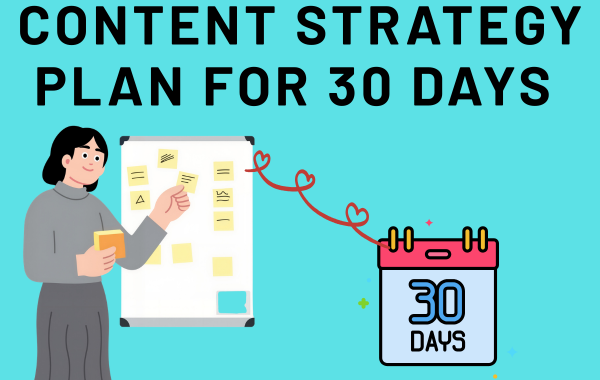
Content Strategy Plan for 30 Days

Content Strategy Plan for 30 Days

Creating content without a proper plan can lead to inconsistent posting, low engagement, and poor marketing results. A strong content strategy helps businesses stay organized, attract the right audience, and grow their online presence effectively. Whether you run a small business, personal brand, or digital marketing agency, a 30-day content strategy can help improve consistency and audience engagement.

This guide explains how to create an effective 30-day content strategy plan for better digital marketing results.

What is a Content Strategy?

A content strategy is a planned approach for creating, publishing, and managing content to achieve specific business goals. It helps businesses deliver valuable content consistently across different platforms like websites, blogs, social media, and email marketing.

A good content strategy focuses on:

  • Audience engagement
  • Brand awareness
  • Lead generation
  • SEO growth
  • Customer trust

Why is a 30-Day Content Plan Important?

Planning content for 30 days offers many advantages:

  • Saves time
  • Improves consistency
  • Reduces last-minute stress
  • Helps maintain content quality
  • Increases audience engagement
  • Supports long-term marketing goals

A structured plan also allows businesses to track performance and improve future content strategies.

Step 1: Define Your Goals

Before creating content, identify your main objectives.

Common content marketing goals include:

  • Increasing website traffic
  • Growing social media followers
  • Generating leads
  • Improving SEO rankings
  • Building brand awareness
  • Increasing sales

Your goals will determine the type of content you create.

Step 2: Understand Your Audience

Knowing your audience is essential for successful content marketing.

Research:

  • Customer interests
  • Problems and challenges
  • Search behavior
  • Preferred platforms
  • Content preferences

When you understand your audience, you can create content that provides real value.

Step 3: Choose Content Types

Using multiple content formats keeps your audience engaged.

Popular content types include:

  • Blog posts
  • Social media posts
  • Videos
  • Infographics
  • Reels and Shorts
  • Email newsletters
  • Case studies
  • Tutorials

Mixing different formats increases reach and engagement.

Step 4: Create Weekly Content Themes

Organizing content into weekly themes makes planning easier.

Example:

Week 1 – Educational Content

  • SEO tips
  • Digital marketing basics
  • Industry guides

Week 2 – Engagement Content

  • Polls
  • Questions
  • Interactive posts

Week 3 – Promotional Content

  • Service highlights
  • Testimonials
  • Special offers

Week 4 – Brand Awareness Content

  • Behind-the-scenes posts
  • Team introductions
  • Success stories

Content variety keeps audiences interested.

Step 5: Build a Posting Schedule

Consistency is one of the most important parts of content marketing.

Example weekly schedule:

  • Monday: Blog post
  • Tuesday: Instagram Reel
  • Wednesday: Educational carousel
  • Thursday: Client testimonial
  • Friday: Promotional post
  • Saturday: Video content
  • Sunday: Engagement poll or Q&A

A fixed schedule helps audiences stay connected with your brand.

Step 6: Focus on SEO

SEO helps your content rank on Google and attract organic traffic.

SEO tips:

  • Use relevant keywords
  • Write attractive titles
  • Add meta descriptions
  • Use headings properly
  • Include internal links
  • Optimize images

SEO-friendly content increases long-term visibility.

Step 7: Repurpose Content

Repurposing saves time and increases content reach.

For example:

  • Convert blogs into videos
  • Turn videos into social media clips
  • Create infographics from articles
  • Use blog quotes for Instagram captions

One piece of content can be reused across multiple platforms.

Step 8: Track Performance

Content strategy should always be data-driven.

Monitor:

  • Website traffic
  • Engagement rates
  • Shares and comments
  • Conversion rates
  • Follower growth

Analyzing results helps identify what content performs best.

Sample 30-Day Content Plan

Day Content Type Topic
1 Blog SEO Basics
2 Instagram Post Marketing Tip
3 Reel Quick Business Hack
4 Testimonial Client Review
5 Video Google Ads Guide
6 Carousel Social Media Tips
7 Poll Audience Engagement

Repeat similar patterns with different topics throughout the month.

Conclusion

A 30-day content strategy helps businesses stay organized, consistent, and focused on their marketing goals. With proper planning, audience research, SEO optimization, and performance tracking, businesses can improve engagement, build trust, and grow their online presence effectively.

Successful content marketing is not about posting randomly — it is about creating valuable content with a clear strategy and purpose.

Continue reading

Video Marketing vs Blogging: What Works Best?

Video Marketing vs Blogging: What Works Best?

In the world of digital marketing, businesses constantly look for the best ways to attract customers, increase engagement, and grow online visibility. Two of the most powerful content marketing strategies are video marketing and blogging. Both methods help businesses connect with audiences, improve brand awareness, and generate leads, but they work in different ways.

The big question is: which one works best — video marketing or blogging? The answer depends on your business goals, target audience, and marketing strategy.Continue reading

How to Write SEO-Friendly Blog Posts That Rank

How to Write SEO-Friendly Blog Posts That Rank

Creating a blog post is easy, but writing a blog that ranks on Google and attracts organic traffic requires the right SEO strategy. SEO-friendly blog posts help websites appear higher in search engine results, increase visibility, and bring targeted visitors who are interested in your content, products, or services.

Whether you run a business website, personal blog, or digital marketing agency, learning how to write SEO-friendly content can improve your online growth and website performance.Continue reading

20 Content Ideas for Small Business Growth


In today’s digital world, content is one of the most powerful tools for growing a small business. Whether you run a dairy, retail shop, service business, or startup, creating the right content can attract customers, build trust, and increase sales. The key is to stay consistent, relevant, and creative. Below are 20 SEO-friendly and practical content ideas that can help small businesses grow effectively.

1. Educational Blog Posts

Write articles that educate your audience about your products or industry. For example, a dairy business can share the benefits of fresh milk or how paneer is made.Continue reading

What is Content Marketing? Full Guide for Beginner

What is Content Marketing? Full Guide for Beginners

Content marketing is one of the most powerful digital marketing strategies used by businesses to attract, engage, and convert customers online. Instead of directly promoting products or services through advertisements, content marketing focuses on providing useful, valuable, and informative content to the target audience.

Today, businesses use content marketing to build trust, improve brand awareness, generate leads, and increase sales. Whether it is a blog post, video, social media post, email newsletter, or infographic, quality content helps businesses connect with their audience in a meaningful way.

What is Content Marketing?

Content marketing is the process of creating and sharing valuable content to attract potential customers and encourage them to take action. The goal is not only to sell but also to educate, inform, or entertain users.

Examples of content marketing include:

  • Blog articles
  • Social media posts
  • Videos
  • Email newsletters
  • Infographics
  • Podcasts
  • E-books
  • Case studies

Good content helps businesses solve customer problems and build long-term relationships.

Why is Content Marketing Important?

Content marketing plays a major role in digital growth because modern customers prefer to research online before buying products or services.

Here are some major benefits of content marketing:

1. Increases Brand Awareness

Helpful content allows more people to discover your business online. Regular posting improves your visibility and brand recognition.

2. Builds Customer Trust

When businesses share useful information, customers start trusting their expertise and services.

3. Improves SEO Rankings

Search engines like Google reward websites that publish high-quality and relevant content regularly. Content marketing can help improve your website’s search rankings.

4. Generates Leads and Sales

Quality content attracts interested users who may eventually become paying customers.

5. Supports Social Media Marketing

Blogs, videos, and articles provide valuable content that can be shared across social media platforms.

Types of Content Marketing

There are many forms of content marketing, and businesses can choose different formats based on their audience and goals.

Blog Content

Blogs are one of the most popular forms of content marketing. They help improve SEO and answer customer questions.

Video Marketing

Videos are highly engaging and effective for tutorials, product demonstrations, and brand storytelling.

Social Media Content

Platforms like Facebook, Instagram, LinkedIn, and Twitter help businesses engage directly with audiences.

Email Marketing Content

Email newsletters help businesses stay connected with customers and promote updates or offers.

Infographics

Infographics present information visually, making complex topics easier to understand.

Steps to Start Content Marketing

1. Identify Your Target Audience

Understand who your ideal customers are and what problems they need help solving.

2. Choose the Right Content Type

Select content formats that suit your audience, such as blogs, videos, or social media posts.

3. Create Valuable Content

Focus on providing useful and informative content instead of only promoting products.

4. Use SEO Techniques

Add relevant keywords, headings, and internal links to improve search engine visibility.

5. Publish Consistently

Consistency is important for building audience trust and improving online presence.

6. Promote Your Content

Share your content on social media, email campaigns, and other digital platforms to reach more users.

Common Content Marketing Mistakes

Many beginners make mistakes that reduce content performance.

Avoid:

  • Publishing low-quality content
  • Ignoring SEO
  • Posting inconsistently
  • Writing only promotional content
  • Not understanding the audience
  • Failing to track results

How to Measure Content Marketing Success

You can measure content performance using:

  • Website traffic
  • Engagement rates
  • Social shares
  • Lead generation
  • Conversion rates
  • Search engine rankings

Tracking these metrics helps improve future content strategies.

Conclusion

Content marketing is a long-term strategy that helps businesses grow their online presence, build trust, and attract customers naturally. By creating valuable and relevant content, businesses can improve SEO, generate leads, and strengthen customer relationships.

For beginners, the key to successful content marketing is consistency, creativity, and understanding the audience. High-quality content not only increases traffic but also helps turn visitors into loyal customers over time.

Continue reading